Categories
Superior Farms

From Weeknight Meals to Weekend Feasts: The Versatility of Cooking with Lamb

When it comes to creating meals that feel both comforting and elevated, Superior Farms highlights how lamb fits seamlessly into everything from quick weeknight dinners to slow, flavorful weekend gatherings.

Lamb often carries a reputation as a “special occasion” protein, but that perception overlooks just how versatile it truly is. With the right approach, lamb can be just as approachable as everyday staples while offering deeper flavor, variety, and flexibility across cuisines.

From quick skillet meals to slow-roasted dishes, lamb adapts to different cooking styles without losing its distinct character.

A Protein That Works Across Cooking Styles

One of the biggest advantages of cooking with lamb is how easily it transitions between different preparation methods.

Depending on the cut and time available, lamb can be

  • Quickly seared for a fast, satisfying meal
  • Grilled for a smoky, charred finish
  • Roasted low and slow for a tender, rich flavor
  • Braised for depth and comfort

This range makes it suitable for both busy schedules and more relaxed cooking experiences.

It’s not about complexity; it’s about flexibility.

Weeknight Simplicity Without Compromise

For everyday cooking, speed and simplicity matter. Lamb delivers both without sacrificing taste.

Quick options include:

  • Ground lamb for burgers, wraps, or bowls
  • Thin cuts that cook quickly in a pan
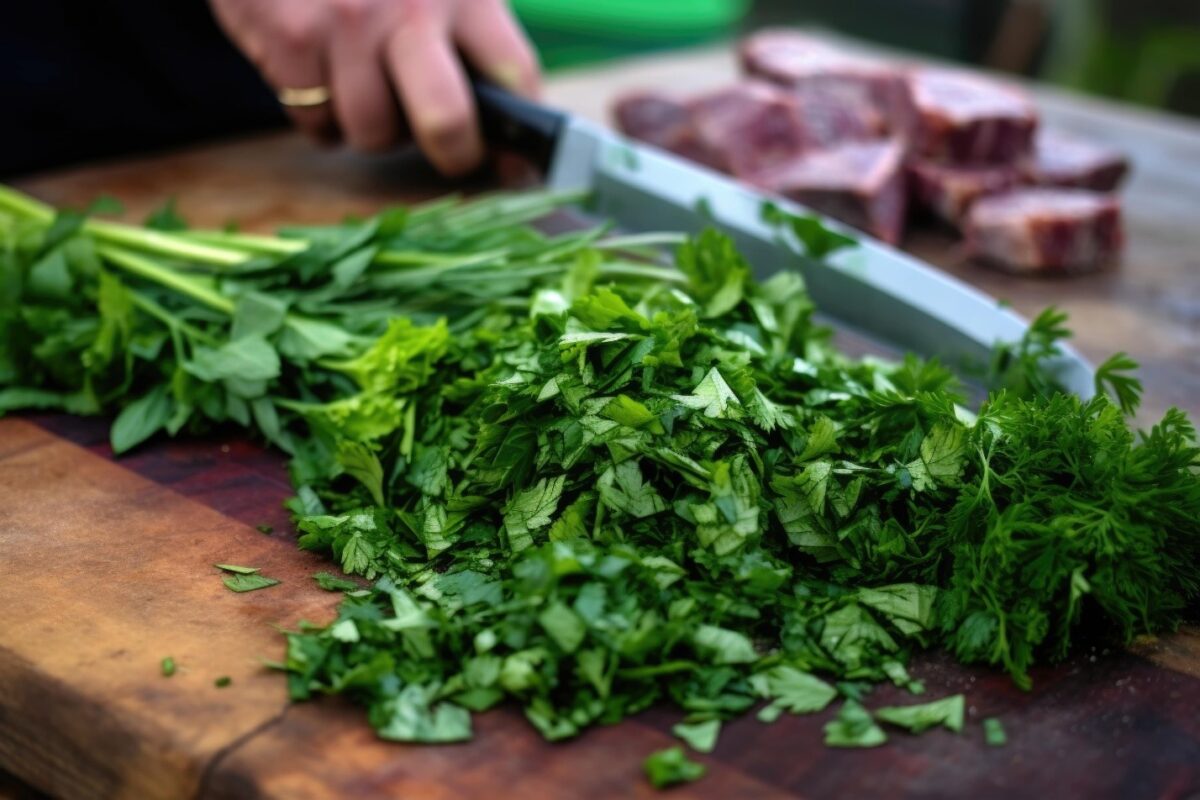
  • Simple seasoning paired with fresh herbs

Dishes like Mediterranean Lamb Grain Bowls (recipe from americanlamb.com) offer a balance of flavor and efficiency, combining protein, grains, and vegetables into a complete meal.

Another approachable option is Lamb Tacos with Fresh Salsa (recipe from americanlamb.com), which brings bold flavor into a format that’s simple to prepare and share.

These types of meals show that lamb doesn’t require hours in the kitchen to stand out.

Weekend Cooking That Feels Elevated

When time allows, lamb becomes the centerpiece of more immersive cooking experiences.

Slow-cooked and roasted dishes bring out deeper flavors and create a sense of occasion.

Popular options include:

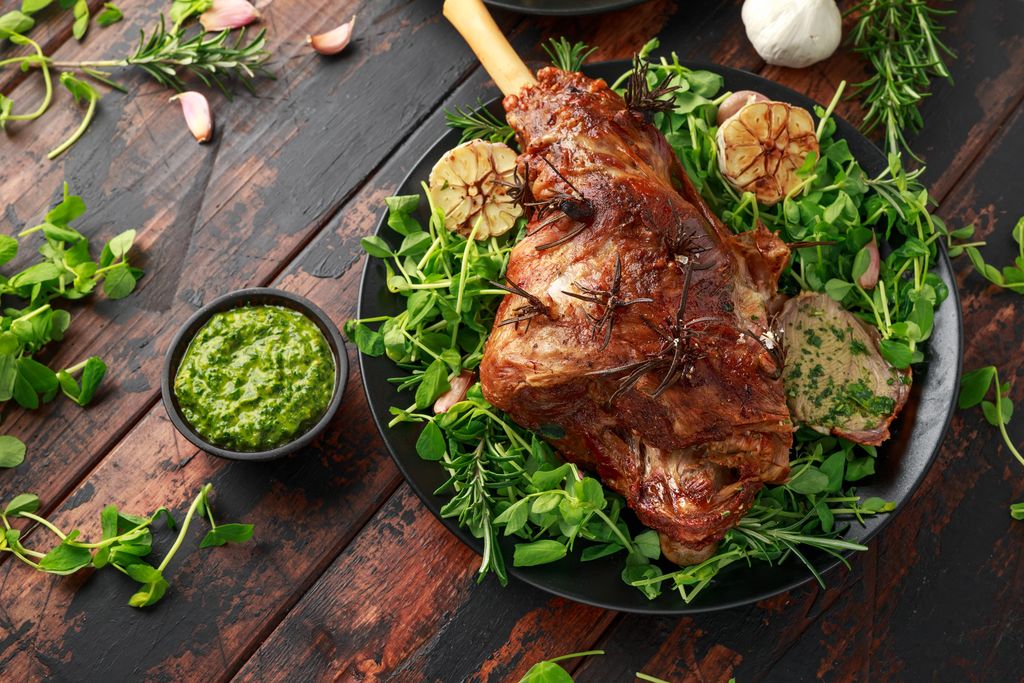
  • Roasted leg of lamb with herbs and garlic
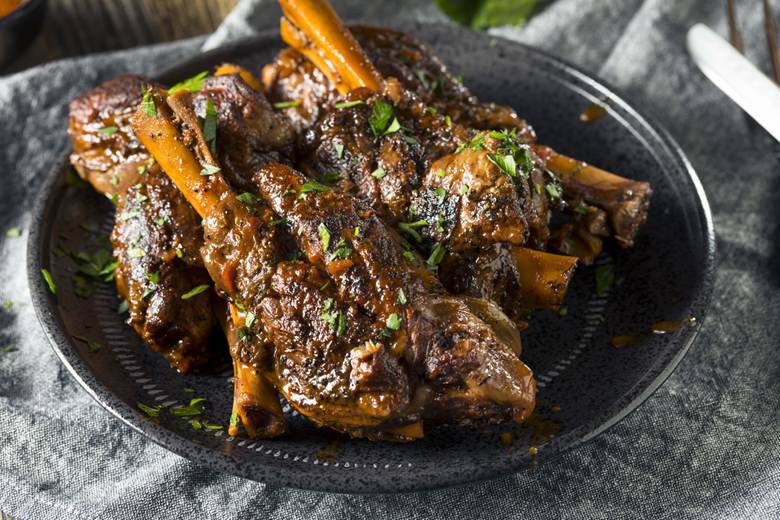
  • Braised lamb shanks with rich sauces
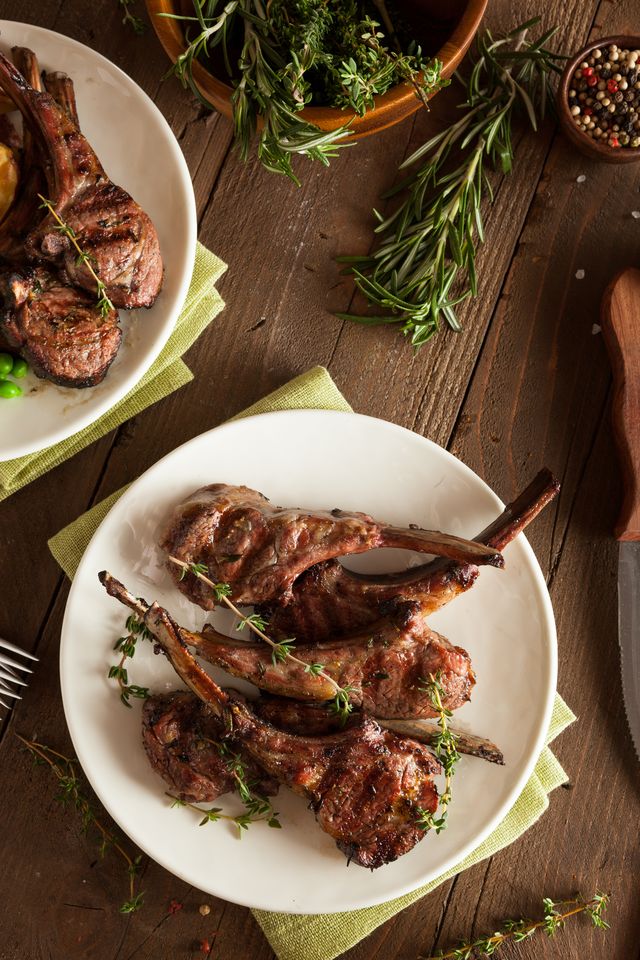
  • Grilled racks of lamb for a refined presentation

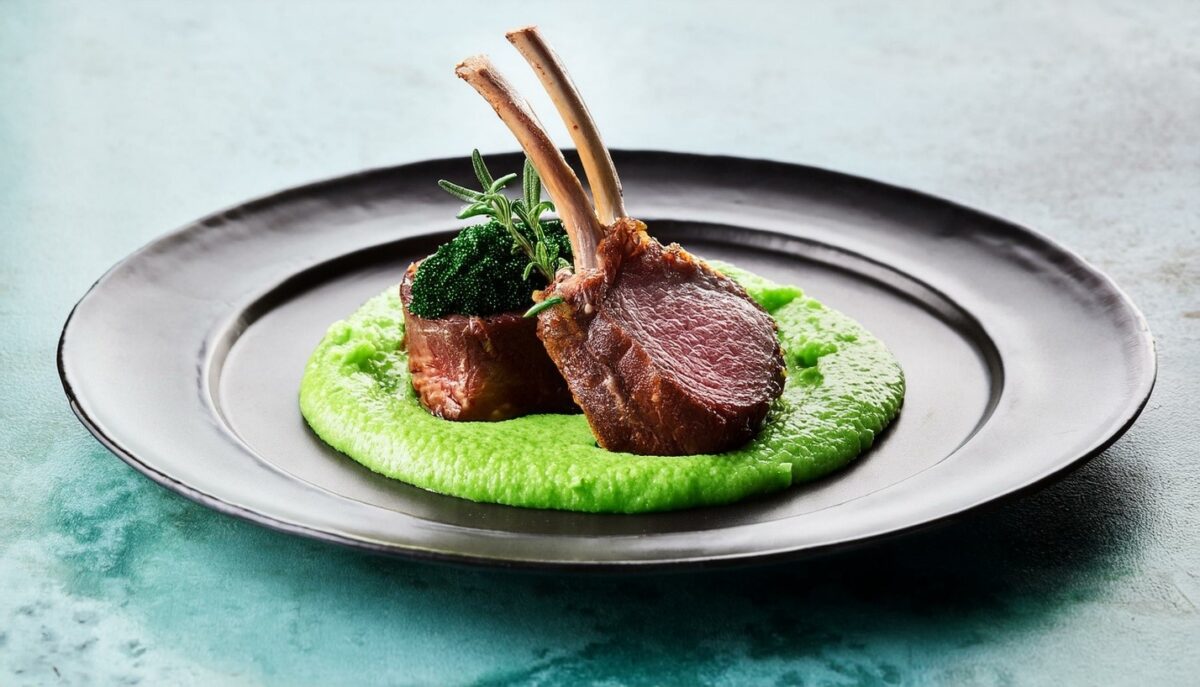
A dish like Herb-Crusted Rack of Lamb (recipe from americanlamb.com) transforms a meal into something memorable without requiring overly complex techniques.

These meals are not just about eating; they’re about the experience of cooking and sharing.

Exploring Global Flavors

Lamb’s versatility extends across cuisines, making it a natural fit for global-inspired dishes.

It pairs well with:

  • Mediterranean herbs and olive oil
  • Middle Eastern spices like cumin and coriander
  • Indian-style curries and slow-cooked sauces
  • Fresh, vibrant flavors from Latin-inspired dishes

This adaptability allows for variety without needing to entirely change cooking habits.

A single ingredient can support a wide range of flavor profiles.

Understanding Cuts Makes All the Difference

Part of cooking lamb confidently comes from understanding how different cuts behave.

Some commonly used cuts include:

  • Lamb chops – ideal for grilling or pan-searing
  • Ground lamb – versatile for quick meals
  • Leg of lamb – perfect for roasting
  • Shoulder cuts – best suited for slow cooking

Each cut brings a different texture and cooking approach, which helps expand meal options without adding complexity.

Learning these basics makes it easier to plan meals around both time and preference.

Flavor That Doesn’t Need Overcomplication

Lamb’s natural richness means it doesn’t require heavy seasoning or complicated preparation.

Simple combinations often work best:

  • Garlic, rosemary, and olive oil
  • Lemon and fresh herbs
  • Salt, pepper, and a hot pan

These elements enhance the flavor without overpowering it.

The result is a dish that feels both refined and approachable.

A Balance Between Everyday and Occasional

One of the most overlooked aspects of lamb is its ability to exist comfortably between casual and elevated dining.

It can be:

  • A quick, satisfying weeknight meal
  • A centerpiece for gatherings
  • A way to explore new cuisines
  • A reliable option for consistent flavor

This balance makes it a practical addition to any kitchen.

Bringing Variety Back Into Cooking

Cooking routines can become repetitive over time. Incorporating lamb introduces variety without requiring a complete shift in habits.

It offers:

  • New textures and flavors
  • Flexible preparation methods
  • Opportunities to experiment with global cuisines
  • A way to elevate simple meals

Even small changes in ingredients can transform how meals feel.

Making Lamb Part of the Routine

Lamb doesn’t need to be reserved for special occasions. With the right approach, it fits naturally into regular meal planning.

Start with:

  • Simple recipes and familiar formats
  • Quick cooking methods for busy days
  • Gradually exploring different cuts and styles

Over time, it becomes just as accessible as other everyday proteins.

A More Flexible Approach to Cooking

The versatility of lamb lies in its ability to adapt to whether the goal is speed, flavor, or presentation.

It supports:

  • Quick meals without sacrificing taste
  • Slow cooking for deeper flavor
  • A wide range of cuisines and techniques
  • Both casual and elevated dining experiences

This flexibility makes it a valuable ingredient for any kitchen.

From weeknight dinners to weekend gatherings, lamb offers a way to bring both variety and depth to everyday cooking without complicating the process.
Categories
Superior Farms

Cooking Lamb at Home: Simple Techniques That Bring Out Bold Flavor

Cooking with lamb from Superior Farms becomes far more approachable when a few core techniques are understood, allowing rich flavor and texture to come through without unnecessary complexity.

For many home cooks, lamb can feel unfamiliar compared to more commonly used proteins. But in reality, it responds well to simple, consistent methods. With the right approach, lamb can deliver restaurant-quality results in a home kitchen without requiring advanced skills or specialized tools.

The key lies in understanding how to handle heat, timing, and seasoning.

Start with the Right Cooking Method

Different cuts of lamb respond best to specific cooking techniques. Choosing the right method simplifies the entire process.

Common approaches include:

  • Grilling: Ideal for chops and smaller cuts, adding a smoky, charred flavor
  • Pan-searing: Quick and effective for achieving a crisp exterior
  • Roasting: Best for larger cuts like leg of lamb
  • Braising: Perfect for tougher cuts that benefit from slow cooking

Each method highlights a different aspect of lamb’s flavor and texture.

Understanding this connection makes cooking more predictable and consistent.

Temperature and Timing Matter

One of the most important elements of cooking lamb is controlling temperature.

Lamb is best when cooked to the right level of doneness:

  • Medium-rare to medium often provides the best balance of tenderness and flavor
  • Overcooking can lead to a firmer texture and reduced juiciness
  • Resting the meat after cooking helps retain moisture

For detailed guidance, resources like the Lamb Cooking Time & Temperature Guide (recipe from americanlamb.com) provide reliable benchmarks for achieving consistent results.

Precision does not require perfection; it requires awareness.

Building Flavor with Simple Ingredients

Lamb has a naturally rich flavor, which means it pairs well with simple, complementary ingredients.

Effective flavor combinations include:

  • Garlic and rosemary for a classic profile
  • Lemon and olive oil for brightness
  • Cumin and coriander for a deeper, spiced approach
  • Fresh herbs to balance richness

These ingredients enhance rather than mask the natural taste.

Keeping seasoning straightforward often leads to better results.

Mastering the Sear

A proper sear creates texture and locks in flavor.

To achieve a good sear:

  • Start with a hot pan or grill
  • Avoid overcrowding the cooking surface
  • Let the meat cook undisturbed for a few minutes
  • Turn only when a crust has formed

This technique adds depth and contrast to the final dish.

It’s one of the simplest ways to elevate a meal.

Letting the Meat Rest

Resting is often overlooked, but it plays a critical role in the final result.

After cooking:

  • Allow lamb to rest for several minutes
  • This helps redistribute juices throughout the meat
  • Cutting too early can lead to dryness

This small step significantly improves texture and flavor.

Avoiding Common Mistakes

Cooking lamb becomes easier when common pitfalls are avoided.

These include:

  • Overcooking due to uncertainty about doneness
  • Using too much seasoning that overpowers the meat
  • Skipping the resting step
  • Choosing the wrong cut for the cooking method

Awareness of these mistakes leads to more consistent outcomes.

Simple Recipes That Build Confidence

Starting with straightforward recipes can help build familiarity and confidence.

Examples include:

  • Garlic and Herb Lamb Chops (recipe from americanlamb.com) for quick, flavorful meals
  • Slow-Roasted Leg of Lamb (recipe from americanlamb.com) for a more traditional approach

These recipes focus on technique rather than complexity, making them accessible for a wide range of skill levels.

They also highlight how small adjustments can change the final result.

Understanding Cuts for Better Results

Each cut of lamb offers a different cooking experience.

Knowing how to use them makes meal planning easier:

  • Chops: Quick cooking, ideal for grilling or searing
  • Ground lamb: Flexible and fast for everyday meals
  • Leg: Best for roasting and serving larger groups
  • Shoulder: Suited for slow cooking and braising

Matching the cut to the cooking method ensures better texture and flavor.

Bringing Confidence Into the Kitchen

Confidence in cooking does not come from complexity; it comes from repetition and understanding.

With lamb, this means:

  • Practicing simple techniques consistently
  • Learning how different cuts respond to heat
  • Adjusting seasoning and timing based on results
  • Building familiarity over time

The process becomes more intuitive with experience.

A Practical Approach to Cooking Lamb

Lamb does not require complicated preparation to deliver strong results.

A practical approach includes:

  • Choosing the right cut
  • Using the appropriate cooking method
  • Controlling temperature and timing
  • Keeping seasoning balanced

These fundamentals create a reliable foundation.

Making Lamb More Accessible

Understanding the basics makes lamb an accessible and versatile option for home cooking.

It offers:

  • Rich, distinctive flavor
  • Flexibility across different cooking styles
  • Compatibility with a wide range of ingredients
  • The ability to elevate both simple and complex meals

What initially feels unfamiliar quickly becomes manageable.

Turning Technique Into Habit

The goal is not just to cook lamb once, it is to make it part of a regular cooking routine.

By focusing on simple techniques and consistent execution, home cooks can:

  • Build confidence over time
  • Expand their range of meals
  • Create dishes that feel both satisfying and refined

Cooking lamb becomes less about following instructions and more about understanding the process.

And once that shift happens, bold flavor becomes easy to achieve every time.

Categories
Superior Farms

From Weeknight to Weekend Feast: Exploring the Everyday Versatility of American Lamb

There is something deeply satisfying about cooking with lamb, a protein that feels celebratory yet adapts effortlessly to everyday meals. Across ranchlands and family tables alike, Superior Farms has long reflected how American lamb moves fluidly from quick skillet dinners to slow-roasted weekend centerpieces, proving that versatility is its greatest strength.

For many home cooks, lamb still carries a holiday reputation. It appears at Easter tables, festive gatherings, and special Sunday roasts. Yet modern kitchens are rediscovering that lamb is equally suited for weeknight efficiency, casual grilling sessions, and bold global flavor experiments. Understanding the cuts, cooking methods, and timing of lamb can transform its perception from occasional to practical.

Rethinking Lamb for the Modern Kitchen

The perception that lamb is complicated often stems from unfamiliarity rather than difficulty. In reality:

  • Many cuts of meat cook as quickly as beef or pork.
  • Ground lamb performs beautifully in burgers, meatballs, and skillet dishes.
  • Chops can be pan-seared in under ten minutes.
  • Leg of lamb can be roasted with minimal prep and reliable timing.

The American Lamb Board outlines cooking techniques and temperature guidance that simplify preparation. Knowing that medium-rare lamb reaches an internal temperature of about 145°F provides confidence. Cooking time charts and cut breakdowns help remove guesswork, making lamb approachable even for newer cooks.

What emerges is a protein that responds well to seasoning, tolerates high-heat searing, and maintains tenderness when roasted slowly. That flexibility is what allows lamb to move between quick weeknight meals and relaxed weekend entertaining.

Weeknight Wins: Quick-Cooking Cuts That Deliver Flavor

When time is limited, thinner cuts shine. Lamb loin chops, rib chops, and ground lamb require minimal prep and reward decisive heat.

A simple preparation might include:

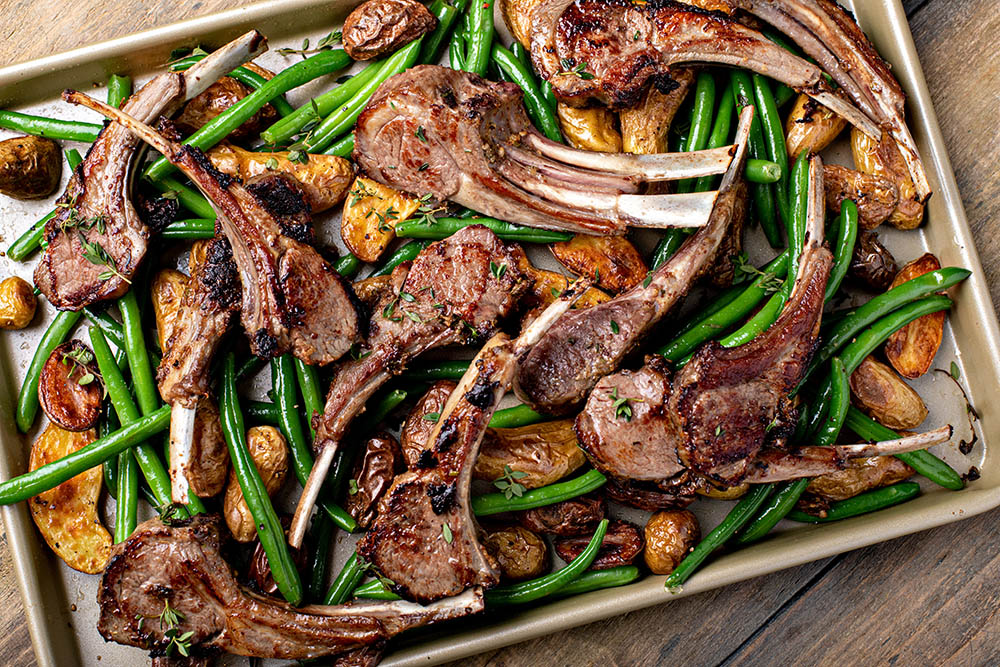
  • Patting the chops dry and seasoning them generously with salt, pepper, garlic, and rosemary.
  • Sear in a hot cast-iron skillet for 3-4 minutes per side.
  • Allow the chops to rest briefly before serving them with either roasted vegetables or a vibrant salad.

Ground lamb offers even more flexibility. It pairs naturally with Mediterranean herbs, North African spices, or classic American burger seasonings. A dish such as Mediterranean Lamb Meatballs (recipe from AmericanLamb.com) demonstrates how quickly ground lamb can be transformed into a satisfying dinner. The richness of the meat balances well with fresh herbs and yogurt-based sauces.

The key takeaway is that lamb does not require extended marinating or complex preparation. Balanced seasoning and proper temperature control unlock its character quickly.

Grilling Season: Casual Yet Elevated

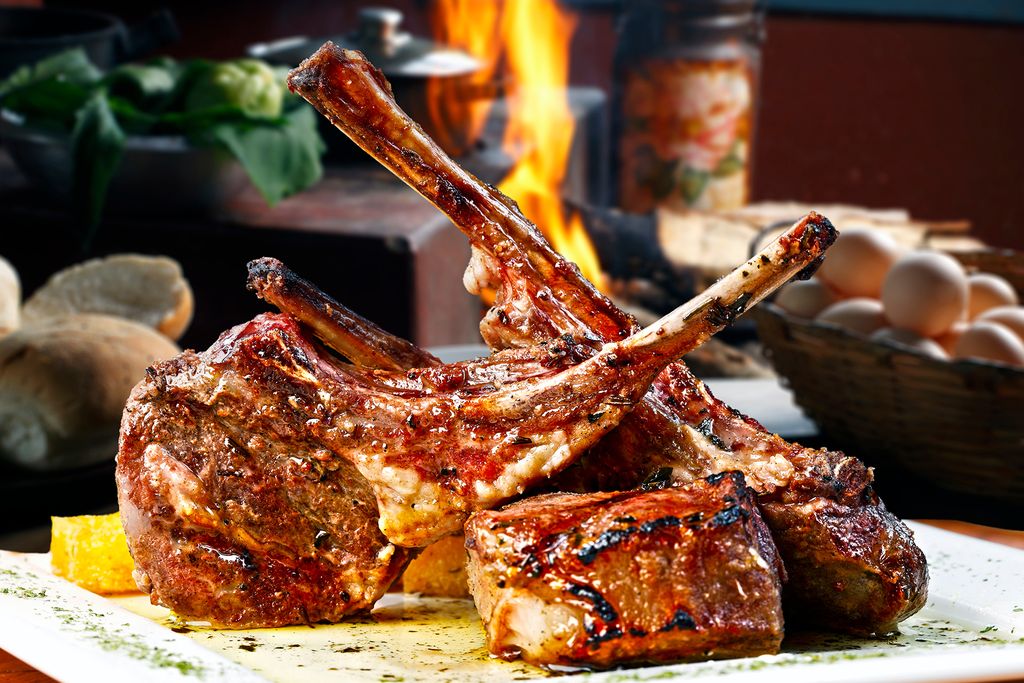
Lamb’s natural flavor intensifies beautifully over open flame. The fat renders gently, creating crisp edges while keeping the interior juicy.

Popular grilling approaches include:

  • Rib chops brushed with olive oil and fresh herbs.
  • One popular method is to thread cubed leg of lamb onto skewers.
  • The grilled butterflied leg is perfect for slicing and sharing.

Grilled Lamb Kabobs (recipe from AmericanLamb.com) offer a straightforward example of how lamb performs outdoors. The combination of char, spice, and tender texture turns a simple backyard gathering into something memorable without requiring complex technique.

Grilling also reinforces lamb’s versatility. It fits as easily beside summer corn and tomatoes as it does next to flatbreads and tzatziki. The flavor profile adapts to the surrounding ingredients rather than dominating them.

The Weekend Roast: A Centerpiece That Feels Effortless

While lamb proves its practicality during busy weekdays, it truly shines when given time and space. A roasted leg of lamb remains one of the most dramatic yet manageable centerpieces available to home cooks.

Preparation often involves:

  • Scoring the fat cap lightly.
  • Rubbing with garlic, rosemary, lemon zest, and olive oil.
  • Roasting at moderate heat until the internal temperature reaches the desired doneness.
  • Allowing adequate resting before slicing.

The American Lamb Board’s cooking time and temperature resources make this process predictable. Understanding that resting redistributes juices prevents overcooking and preserves tenderness.

A recipe such as Garlic Herb Roasted Leg of Lamb (recipe from AmericanLamb.com) illustrates how minimal ingredients can create depth of flavor. The result is both rustic and refined, equally at home at a holiday table or a relaxed Sunday dinner.

Understanding the Cuts: Choosing with Confidence

Confidence in cooking lamb grows when shoppers recognize common cuts and their ideal uses.

  • Lamb Rib Chops are tender and quick-cooking, making them ideal for grilling or pan-searing.
  • Lamb Loin Chops – Slightly meatier; excellent for skillet preparation.
  • Leg of Lamb – Versatile; roast whole, butterfly for grilling, or cube for stews.
  • Shoulder – Rich and suited for slow braising.
  • Ground Lamb – Flexible for burgers, meatballs, and pasta sauces.

The American Lamb Board’s cut guides clarify where each portion originates and how to best prepare it. That transparency removes hesitation at the butcher counter and encourages experimentation.

Nutrition: Flavor Meets Substance

Lamb delivers more than taste. Nutritional information from the American Lamb Board highlights that lamb provides:

  • High-quality protein.
  • Lamb also provides essential vitamins like B12 and niacin.
  • Lamb also contains essential minerals such as zinc and iron.

These nutrients support energy metabolism and immune health. When paired with vegetables, whole grains, and fresh herbs, lamb contributes to balanced meals rather than indulgent excess.

Portion awareness and proper cooking technique help maintain that balance. Trimming excess fat and cooking to recommended temperatures preserves both flavor and nutritional integrity.

Building Flavor Without Complexity

One reason lamb feels special is its ability to carry bold seasoning. Yet complexity is optional.

Simple flavor strategies include:

  • Garlic, rosemary, thyme, and lemon for a classic profile.
  • Cumin, coriander, and paprika for warmth.
  • Add mint, parsley, and yogurt to add brightness.
  • Adding chili flakes and smoked paprika adds depth to the dish.

Because lamb has a distinct but balanced taste, it responds well to both minimal and layered seasoning approaches. The meat’s natural character remains present while harmonizing with added ingredients.

From Everyday to Occasion

The enduring appeal of lamb lies in its dual identity. It is practical enough for Tuesday night and impressive enough for Saturday dinner guests. Few proteins transition so easily between these roles.

When weeknight meals demand speed, lamb chops or ground preparations provide efficiency without sacrificing satisfaction. When gatherings call for spectacle, a roasted leg or grilled platter delivers visual and culinary impact.

This range reflects a broader shift in how American kitchens approach cooking. Ingredients once reserved for special occasions now appear more frequently as cooks gain access to better information, clearer cooking guidance, and reliable sourcing.

Bringing It All Together

Lamb no longer belongs solely to tradition-bound holidays. With accessible resources detailing cuts, cooking techniques, and nutritional benefits, it fits naturally into contemporary routines.

Its adaptability can be summarized simply:

  • Its speed is suitable for hectic evenings.
  • Its boldness makes it suitable for grilling season.
  • Lamb is also elegant enough to grace celebratory tables.
  • Lamb is sufficiently nutritious to ensure a balanced meal plan.

Whether seared in a skillet, grilled over flame, or roasted slowly in the oven, lamb continues to demonstrate that versatility is not just about variety of cuts but about the flexibility of experience. From weeknight to weekend feast, it remains one of the most rewarding proteins in the modern kitchen.

Categories
Superior Farms

Bringing Global Flavor Home: How Lamb Connects Culinary Traditions Across Cultures

Across continents and centuries, lamb has anchored some of the world’s most enduring food traditions. From Mediterranean coastlines to Middle Eastern kitchens and American ranch tables, Superior Farms reflects how lamb continues to move seamlessly across culinary borders, adapting to local spices, cooking methods, and shared rituals around the table.

What makes lamb so globally resonant is not just its flavor but its adaptability. It absorbs herbs and spices with ease, responds well to both high heat and slow braising, and pairs naturally with grains, vegetables, and sauces from diverse cuisines. The result is a protein that feels both deeply traditional and continuously evolving.

Mediterranean Simplicity: Olive Oil, Herbs, and Fire

In Mediterranean cooking, lamb is often treated with restraint. Rather than masking its flavor, cooks highlight it with olive oil, garlic, rosemary, oregano, and citrus. The preparation tends to emphasize balance and freshness.

Common Mediterranean approaches include:

  • One common Mediterranean approach involves grilling lamb chops with lemon and herbs.
  • One common Mediterranean approach involves roasting a leg of lamb with garlic and rosemary.
  • You can also form ground lamb into meatballs and pair them with yogurt sauces.

A dish such as Mediterranean Lamb Meatballs (recipe from AmericanLamb.com) demonstrates how lamb integrates with parsley, garlic, and warm spices while remaining tender and aromatic. The richness of the meat balances beautifully with cool yogurt or tomato-based sauces.

Cooking techniques recommended by the American Lamb Board emphasize internal temperature awareness and resting time, ensuring that Mediterranean-inspired dishes maintain juiciness without overcooking. Moderate heat and simple seasoning allow lamb’s natural character to lead.

Middle Eastern Depth: Spice and Slow Heat

Move eastward, and lamb takes on deeper spice profiles. Cumin, coriander, cinnamon, allspice, and sumac often enter the picture. The preparation may shift toward skewers, braises, or layered rice dishes.

Signature characteristics of Middle Eastern-style lamb include:

  • Skewered and grilled kabobs.
  • The shoulder is slow-braised with aromatic spices.
  • Lamb and herbs are layered in rice dishes.

Grilled Lamb Kabobs (recipe from AmericanLamb.com) illustrate how marinated cubes of lamb caramelize over flame, developing char while remaining succulent inside. The combination of smoke and spice demonstrates how lamb thrives under high heat without losing tenderness.

In slower preparations, shoulder cuts shine. The connective tissue breaks down gradually, yielding a texture that is soft and deeply flavored. Patience transforms tougher cuts into richly satisfying meals.

North African Influence: Warmth and Complexity

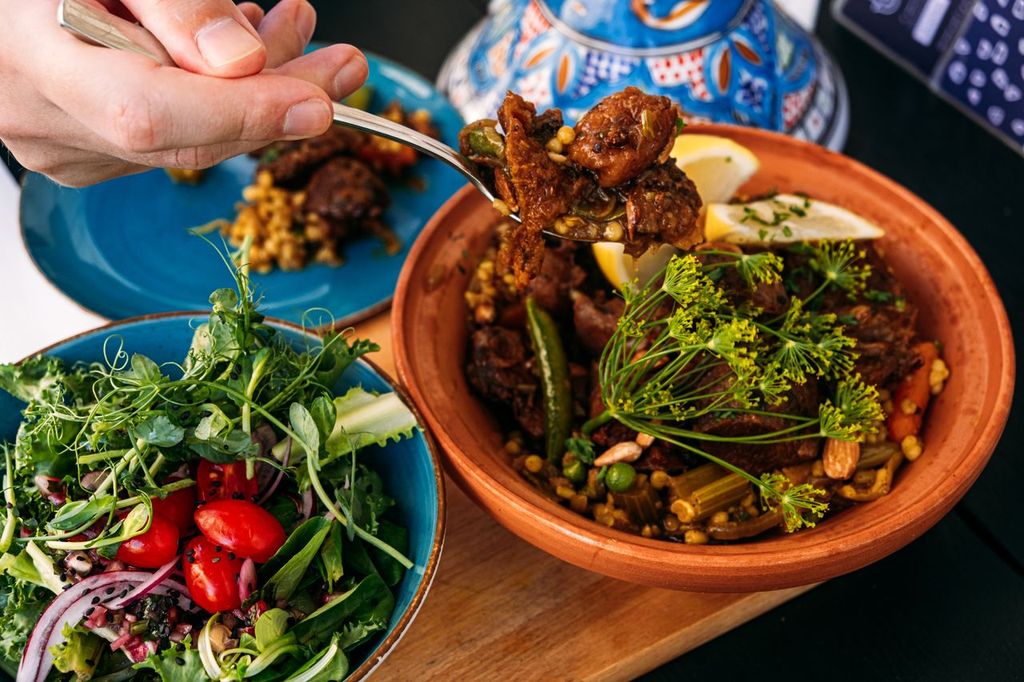
In North African cuisines, lamb frequently appears in tagines and stews. These preparations often combine sweet and savory notes, dried fruit, cinnamon, ginger, and saffron, layered with tomatoes and herbs.

The structure of these dishes typically involves:

  • These dishes typically involve browning lamb pieces to enhance their depth.
  • These dishes typically involve the addition of aromatic spices and a slow simmering process.
  • Achieving a balance between richness and acidity or subtle sweetness is crucial.

The guidance from the American Lamb Board on cooking time and internal temperature becomes especially helpful in these contexts. Controlled heat prevents dryness while allowing spices to infuse the meat gradually.

This method demonstrates lamb’s capacity to withstand intense seasoning without becoming overpowering.


American Ranch Tradition: Straightforward and Hearty

Closer to home, American ranch cooking embraces lamb in ways that are both rustic and refined. Grilling, roasting, and pan-searing dominate preparation styles, often paired with seasonal vegetables and simple sides.

Typical American-style preparations include:

  • Herb-crusted rack of lamb.
  • Butterflied leg grilled over open flame.
  • The dish also includes lamb burgers topped with fresh ingredients.

A recipe such as Garlic Herb Roasted Leg of Lamb (recipe from AmericanLamb.com) captures this spirit. Garlic, rosemary, olive oil, and salt create a classic flavor profile that feels familiar yet elevated. The leg roast remains one of the most visually striking centerpieces for gatherings.

Because lamb provides high-quality protein along with essential nutrients like zinc and vitamin B12, it supports balanced meal planning while delivering bold taste.

Understanding Cuts Across Cuisines

Different global traditions often favor specific cuts. Knowing which cut aligns with a cooking method simplifies decision-making.

  • Rib Chops: Ideal for Mediterranean grilling.
  • Loin Chops: Excellent for quick skillet cooking.
  • Shoulder: Perfect for braising in Middle Eastern or North African dishes.
  • Leg: Versatile for roasting, grilling, or cubing for skewers.
  • Ground Lamb: Ground lamb is versatile and can be used for various dishes such as meatballs, burgers, or stuffed vegetables.

The American Lamb Board’s cut guides provide clarity on where each portion originates and how it performs under different cooking techniques. That transparency encourages home cooks to experiment beyond familiar preparations.

Flavor Pairings That Travel Well

Lamb’s flavor sits comfortably between robust and delicate. That balance makes it receptive to global ingredients.

Across cultures, it pairs well with:

  • Fresh herbs such as mint, parsley, and cilantro.
  • Citrus zest and juice.
  • Yogurt-based sauces for cooling contrast.
  • Warm spices including cumin, paprika, and coriander.
  • Slow-cooked tomatoes and garlic.

These combinations allow lamb to feel at home in a Greek-inspired spread, a Moroccan-style stew, or an American backyard barbecue.

Technique as the Unifying Thread

Despite cultural differences, the core principles of cooking lamb remain consistent:

  • Proper seasoning before heat application.
  • It is crucial to monitor the internal temperature to ensure the lamb is cooked to the ideal doneness.
  • Allowing sufficient resting time.
  • It is crucial to match the cut to the cooking method.

The resources from the American Lamb Board on cooking techniques and time-temperature charts unify these traditions by providing reliable structure. Whether grilling kabobs or roasting a leg, the science behind the process remains the same.

Understanding those fundamentals gives cooks the freedom to explore global flavors without fear of overcooking or under-seasoning.

The Shared Table

Lamb often appears at communal meals. It is carved and shared, passed around, or served family-style. That social dimension may explain its enduring global presence.

Across cultures, lamb dishes tend to:

  • Anchor holiday meals.
  • Feature in celebratory gatherings.
  • Encourage slow, shared dining experiences.

Even in casual settings, a platter of grilled chops or skewers creates a sense of occasion. The aroma alone signals that something special is unfolding.

Bringing Global Inspiration Home

Exploring lamb through a global lens does not require extensive culinary training. Small shifts in seasoning or presentation can evoke distant cuisines:

  • Add oregano and lemon for Mediterranean brightness.
  • Introduce cumin and coriander for Middle Eastern warmth.
  • Incorporate dried fruit and cinnamon for North African depth.
  • Keep garlic and rosemary for American classic simplicity.

These variations transform a single ingredient into countless expressions of flavor.

Lamb’s capacity to absorb, adapt, and respond to diverse techniques explains why it remains so central in cuisines worldwide. It does not demand rigid adherence to one tradition. Instead, it invites experimentation while rewarding proper preparation.

A Global Ingredient in a Local Kitchen

Ultimately, lamb’s global reach reflects its versatility. It thrives over an open flame, under slow braise, and inside a roasting oven. It complements grains, vegetables, flatbreads, and salads alike.

When guided by reliable cooking principles and inspired by international flavors, lamb becomes more than a single dish. It becomes a culinary bridge connecting traditions, techniques, and tables across cultures.

From Mediterranean herb gardens to spice markets and American ranchlands, lamb continues to demonstrate that outstanding ingredients transcend borders. With thoughtful preparation and creative seasoning, global flavor can begin in any kitchen.

Categories
Superior Farms

From Savory to Sweet: Surprising Flavor Pairings with Lamb

Lamb has long held a distinguished place in global cuisines, celebrated for its rich, slightly gamey flavor that lends itself beautifully to classic preparations. Traditionally, cooks lean on robust herbs like rosemary, mint, or thyme, and serve it alongside red wines to complement its depth. Yet lamb has another side, one that shines when paired with sweetness. Beyond the expected savory companions, lamb reveals remarkable versatility when matched with fruits, honey, or even chocolate. These surprising contrasts not only highlight lamb’s complexity but also unlock new culinary dimensions.

Superior Farms will look at how sweet and savory combinations elevate lamb, drawing inspiration from both traditional pairings found across cultures and more daring, modern interpretations.

Why Sweetness Works with Lamb

Lamb’s bold, earthy character makes it a perfect canvas for balancing flavors. Unlike milder meats such as chicken or pork, lamb can stand up to rich ingredients without being overwhelmed. Sweetness, when introduced thoughtfully, tempers the natural gaminess while enhancing lamb’s succulence.

This interplay mirrors a universal culinary principle: opposites attract. Just as salty and sweet combinations delight the palate, the contrast of savory lamb with sugars from fruit, honey, or chocolate creates complexity that lingers with each bite.

Lamb with Figs: Ancient Luxury

The pairing of lamb and figs dates back centuries. In Mediterranean cuisines, figs were prized for their natural sweetness and velvety texture, while lamb was a celebratory dish. Together, they created meals that were both hearty and indulgent.

Fresh figs, when roasted alongside lamb, caramelize into syrupy bursts of flavor. Dried figs, often simmered in wine or stock, become rich and jammy, infusing the meat with sweetness that doesn’t overpower. Imagine a lamb tagine where tender chunks of meat mingle with figs, almonds, and warm spices, a dish that feels at once comforting and exotic.

Pomegranate: Brightness Meets Depth

Few ingredients capture the drama of flavor like pomegranate. Its ruby-red seeds deliver a sharp, juicy sweetness that cuts through lamb’s richness. Middle Eastern cooking has long celebrated this harmony, particularly through pomegranate molasses.

Brushing racks of lamb with a glaze of pomegranate molasses before roasting creates a glossy, tangy crust. The sweetness balances the fat, while the acidity lifts the entire dish. Paired with fresh herbs or pistachios, this combination is both elegant and refreshing. Even a simple garnish of scattered pomegranate seeds over grilled lamb transforms the plate into a vibrant showpiece.

Honey: Nature’s Golden Contrast

Honey and lamb share a natural affinity. The floral, syrupy qualities of honey accentuate lamb’s savory notes while adding a silky glaze. This pairing thrives in both rustic and refined settings.

A honey-mustard glaze on slow-roasted lamb shanks, for instance, creates a dish that is simultaneously robust and delicate. Honey also shines in marinades, mixed with garlic, lemon, and chili, it adds layers of sweetness, tang, and heat. Across the Mediterranean and North Africa, honey is often paired with lamb in stews, sometimes alongside dried apricots or raisins, creating dishes that blur the line between sweet and savory in the most delightful way.

Chocolate: An Unexpected Companion

At first glance, chocolate might seem an unlikely partner for lamb. Yet, when used in moderation and in savory applications, chocolate lends a subtle depth rather than sweetness. Think of how cocoa is used in Mexican mole sauces, it adds richness, complexity, and a slight bitterness that grounds strong flavors.

Similarly, adding dark chocolate or unsweetened cocoa powder to a lamb braise can create a sauce that is velvety and layered, without tasting like dessert. The earthy tones of cocoa echo lamb’s richness, creating a balance that feels both surprising and harmonious. Served with roasted root vegetables or a bold red wine, lamb with chocolate-infused sauce becomes an adventurous yet refined dish.

Beyond the Plate: Cultural Inspiration

What’s fascinating is that many of these sweet pairings aren’t modern inventions but draw from centuries-old culinary traditions. In Moroccan tagines, lamb is stewed with apricots, prunes, and honey. In Persian cuisine, lamb often appears with pomegranate and nuts. Even in medieval European kitchens, lamb and fruit sauces were commonplace.

Revisiting these traditions through a contemporary lens allows today’s cooks to rediscover lamb’s versatility while pushing culinary boundaries. Whether it’s through a fine dining dish that juxtaposes lamb chops with a fig compote or a home-cooked stew with raisins and honey, the possibilities are endless.

Tips for Experimenting at Home

  1. Balance is key – Too much sweetness can overwhelm lamb. Start small, adding fruit or honey gradually.
  2. Pair with acidity – Lemon, vinegar, or yogurt can offset sweetness and keep flavors bright.
  3. Consider texture – Crunchy pomegranate seeds or sticky figs add contrast beyond flavor alone.
  4. Use spices as bridges – Cinnamon, cumin, coriander, or chili help knit sweet and savory together seamlessly.

The Takeaway

Lamb is a meat of remarkable character, and its story is not limited to herbs, garlic, and wine. By venturing into sweet pairings—whether figs, pomegranate, honey, or chocolate—we unlock its ability to surprise and delight. These combinations show that lamb is not only a symbol of tradition but also of innovation, capable of embracing bold flavors that cross borders and eras.

Next time you prepare lamb, consider stepping away from the expected. Let figs caramelize in the pan, drizzle honey over a roast, or stir a bit of chocolate into your sauce. You may just discover a pairing that transforms how you think of this timeless protein.

Categories
Superior Farms

Lamb as the Centerpiece: The Psychology of Show-Stopping Meals

When it comes to crafting a memorable meal, few dishes command attention quite like lamb. Whether it’s a golden-brown roast leg, a perfectly frenched rack crowned with sprigs of rosemary, or slow-braised shanks nestled in rich sauce, lamb has long been associated with celebration, indulgence, and culinary drama. Superior Farms explains that it is not simply about taste, it’s about the visual and emotional impact that this meat creates when it arrives at the table. A lamb dish has the power to transform a gathering into a moment of anticipation and wonder, tapping into deep psychological cues of abundance, festivity, and luxury.

The Drama of Presentation

Lamb naturally lends itself to spectacle. Unlike smaller cuts of meat, a roast lamb leg or rack arrives in large, impressive form, drawing the eye before a single bite is taken. This sense of scale creates drama, guests instinctively recognize that what has been prepared is not everyday fare but something worthy of attention.

Psychologists point out that human appetite is heavily influenced by visual cues. The sight of a golden crust, caramelized edges, or glistening jus stimulates the brain’s reward centers, often before the aromas even reach us. When a lamb roast is carried into a dining room, it creates a multisensory effect: the sizzling sound, the aromatic herbs, the visual heft. This stimulates not only hunger but also curiosity and excitement. The “show-stopping” aspect of lamb lies in its ability to set the stage for a shared experience before anyone has even lifted a fork.

Anticipation as a Flavor Enhancer

The psychology of anticipation plays a powerful role in how we perceive food. Lamb, with its association with holidays, weddings, and feasts, taps into a sense of occasion. Guests expect something indulgent, and that expectation alone can heighten the actual flavor perception once they begin eating.

Studies in sensory psychology suggest that when we anticipate a luxurious or special meal, our brains release dopamine, a chemical associated with pleasure and reward, even before the first bite. This means that the sight of a rack of lamb, beautifully presented, actually primes our taste buds to register the experience as more delicious and satisfying. The long cooking times and aromas wafting from the oven also build suspense, turning the meal into an event rather than just sustenance.

A Symbol of Indulgence and Luxury

Historically, lamb has carried symbolic weight. Across cultures, it has been reserved for religious ceremonies, festive occasions, and family gatherings. From Easter tables in Europe to Middle Eastern feasts, lamb signals abundance and generosity. It is less common in everyday meals compared to chicken or beef, making its presence feel special.

This rarity fuels its aura of luxury. When lamb is chosen as the centerpiece, it signals to guests that the host has invested time, resources, and thought into creating a memorable occasion. The act of carving lamb at the table, often performed by the host themselves, further reinforces this sense of tradition and indulgence. It becomes not just a dish but a ritual.

The Emotional Appetite Appeal

Food is deeply tied to memory and emotion, and lamb often conjures nostalgic connections. A roast lamb might remind one person of family Easter dinners, another of a wedding banquet, and another of a cultural festival. This layering of memory with taste magnifies the experience, making the meal emotionally nourishing as well as physically satisfying.

Psychologists describe this as “affective priming,” where emotional associations influence sensory perception. In simpler terms, when lamb is presented as a celebratory centerpiece, guests are predisposed to feel joy, comfort, and connection—emotions that amplify the actual enjoyment of the meal. The dish becomes a catalyst for conversation, storytelling, and togetherness.

The Role of Ritual and Sharing

Unlike individual plates of food, a lamb roast or rack is designed for sharing. Its size necessitates carving and distribution, an act that creates a communal ritual. Sharing food in this way fosters bonding, as humans are evolutionarily wired to associate communal meals with safety and belonging.

The ritual of passing plates, ladling sauce, and savoring together transforms lamb from mere sustenance into a performance of hospitality. In this sense, lamb dishes don’t just nourish the body, they nourish relationships, reinforcing the bonds between host and guest, family and friend.

Why Lamb Stands Out from Other Centerpieces

Other meats can certainly impress, but lamb has a unique combination of qualities that make it a showstopper:

  • Distinct Flavor Profile: Its rich, slightly gamey taste stands apart from more common proteins.
  • Visual Grandeur: A rack of lamb with bones arranged in a crown, or a leg presented whole, creates a visual unlike anything else.
  • Cultural Associations: Lamb is intertwined with global traditions of feasting, giving it symbolic weight.
  • Versatility in Presentation: It can be rustic and hearty in a braised shank, or refined and elegant in a French-style rack.

These elements make lamb not just a meal but a statement. It is chosen not only for taste but for the emotions and memories it brings to the table.

The Lasting Impression of Lamb

At its heart, the psychology of show-stopping meals is about more than food, it is about experience. Lamb, with its visual impact, emotional resonance, and cultural symbolism, embodies this better than almost any other dish. It creates anticipation as it cooks, indulgence as it is served, and connection as it is shared.

In a world where so many meals are quick, routine, and solitary, a lamb centerpiece represents the opposite: slowness, abundance, and togetherness. It is a reminder that dining can be as much about spectacle and emotion as it is about flavor. And when the lamb finally reaches the table, it does more than feed the body, it creates a memory that lingers long after the plates are cleared.

Categories
Superior Farms lamb

The Juiciness Factor: Why Lamb Delivers Unmatched Tenderness

When it comes to meats that consistently impress both home cooks and fine-dining chefs, lamb holds a special place. Its tenderness and natural juiciness are not just happy accidents, they are intrinsic qualities of the meat itself. While beef, pork, and chicken each bring their own strengths to the table, lamb possesses a distinct succulence that sets it apart. From casual family dinners to carefully plated gourmet creations, Superior Farms lamb understands that lamb’s texture and juiciness elevate the dining experience in ways that are difficult to match.

The Natural Structure of Lamb Meat

The tenderness of lamb begins at a structural level. Compared to older animals like beef cattle, lambs are slaughtered at a much younger age, typically between six and twelve months old. At this stage of life, muscle fibers are finer and contain less connective tissue, which translates into a softer bite and less chewiness. The relative youth of the animal ensures that the collagen, the protein that can make meat tough if overly present, has not fully developed, allowing lamb to retain a delicate, melt-in-your-mouth quality.

Lamb is also naturally marbled with intramuscular fat. This marbling isn’t as heavy as what you might find in a premium cut of beef, but it has a different effect. Lamb fat is softer and has a lower melting point, meaning it renders more easily during cooking. As it melts, it bastes the meat from within, locking in flavor and moisture. This interplay between muscle and fat creates an unparalleled tenderness that feels both luxurious and approachable.

Juiciness as a Culinary Experience

Juiciness is more than just moisture, it’s the sensation of succulence when you bite into a perfectly cooked piece of meat. Lamb excels in this department because of its fat composition and water-holding capacity. The natural lipids release slowly during cooking, creating a luscious texture that coats the palate. Unlike some lean cuts of chicken or pork that risk drying out quickly, lamb retains its juices, offering a consistently mouthwatering bite.

The juiciness of lamb doesn’t just stay on the plate, it heightens every other element of the dish. When paired with herbs like rosemary, thyme, or mint, lamb’s succulence enhances aromatic oils, carrying their flavors deeper into each bite. Similarly, sauces such as red wine reductions or yogurt-based accompaniments cling better to juicy proteins, amplifying both taste and texture. The result is a dynamic interplay of flavors that feels indulgent yet balanced.

Comparisons With Other Meats

To truly appreciate lamb’s distinct qualities, it helps to compare it with other popular proteins. Beef, especially cuts like ribeye or tenderloin, can certainly be tender and juicy, but it often requires aging or careful marbling selection to achieve that effect. Pork, while versatile, tends to lean on the drier side unless enhanced with brining or sauces. Chicken, despite being the most widely consumed meat globally, struggles to maintain moisture without meticulous cooking methods.

Lamb, by contrast, naturally carries tenderness and juiciness into almost every cut, whether it’s a rack of lamb served medium-rare or slow-braised shanks simmering in aromatic broth. Even leaner cuts like leg of lamb retain a satisfying succulence when prepared properly. This built-in reliability is why chefs often describe lamb as a “forgiving” meat, it delivers a consistently juicy experience without requiring elaborate intervention.

Casual Dining: Comfort and Satisfaction

Lamb’s juiciness plays a starring role in casual, comforting meals. Think of lamb burgers, where the fat content creates patties that remain moist even when grilled at high heat. Or shepherd’s pie, where ground lamb retains enough richness to elevate the creamy mashed potatoes that crown the dish. In these everyday contexts, lamb’s succulence ensures that each bite is satisfying, making even simple recipes feel hearty and memorable.

Family roasts are another example of lamb’s power to deliver tenderness at scale. A roasted leg of lamb, carved at the dinner table, brings not only visual drama but also unmatched juiciness that carries across every slice. Unlike a roast chicken that can vary in moisture between breast and thigh, lamb maintains consistency, ensuring that every guest experiences the same indulgent tenderness.

Fine Dining: Elevating the Culinary Experience

In fine dining, lamb becomes a canvas for culinary artistry. Chefs celebrate lamb’s juicy tenderness by pairing it with bold, creative accompaniments. A rack of lamb crusted with pistachios or herbs, for instance, allows the natural juices to mingle with the crunch of nuts and the brightness of herbs, producing layers of sensory delight.

Braised lamb shanks, cooked until the meat nearly slides off the bone, transform juiciness into a luxurious, almost spoonable texture that contrasts with the richness of sauces and sides. In haute cuisine, lamb often takes center stage because its natural tenderness requires little manipulation, freeing chefs to focus on crafting complex flavor profiles around it.

The Emotional Impact of Juiciness

Food isn’t only about biology or chemistry, it’s also about memory and emotion. Juiciness is one of those qualities that makes meals memorable. A bite of tender, juicy lamb evokes comfort, indulgence, and satisfaction in ways that resonate deeply with diners. This is why lamb is often chosen for celebratory occasions—Easter feasts, weddings, or special holidays. Its tenderness feels festive and indulgent, signaling that the meal is something to savor and remember.

American Lamb’s Unmatched Appeal

The juiciness factor is what makes American lamb such a standout protein. From its natural muscle structure and fat composition to its versatility across cooking styles, lamb consistently delivers tenderness that other meats struggle to match. Whether enjoyed in the comfort of a family meal or as the centerpiece of a fine dining experience, lamb’s succulence transforms the act of eating into something extraordinary.

In a world where food is often rushed or standardized, lamb invites us to slow down and appreciate the richness of flavor, the indulgence of juiciness, and the joy of tenderness that lingers long after the last bite.

Categories
Superior Farms lamb

The Irresistible Aroma of Lamb: Why It Captivates the Senses

Few culinary experiences are as instantly evocative as the aroma of lamb. Long before the first bite reaches the palate, its fragrance creates anticipation, stirring memories and sparking appetite. Unlike the comparatively neutral aroma of chicken or the robust smokiness of beef, lamb carries with it a distinct olfactory signature, a mingling of earthy, grassy, and subtly sweet notes that immediately set it apart. Superior Farms lamb this sensory allure isn’t mere happenstance; it’s the result of fascinating chemistry, deeply ingrained cultural associations, and the way scent shapes our emotions and desires.

The Science Behind the Scent

At the heart of lamb’s irresistible aroma lies a unique blend of volatile compounds. One of the most important contributors is a fatty acid called branched-chain fatty acids (BCFAs), specifically 4-methyloctanoic acid and 4-methylnonanoic acid. These molecules are rare in most other meats, yet they are abundant in lamb, particularly in cuts with a higher fat content. When lamb is cooked, heat transforms these compounds into aromatic molecules that intensify its signature scent.

This chemistry explains why lamb smells different from beef or pork, even if prepared with the same seasonings or cooking techniques. The very structure of these fatty acids produces the slightly gamey, grassy aroma that lamb lovers find so enticing. Interestingly, lamb raised on pasture diets rich in clover, grasses, and herbs tends to develop even more complex aromas, as those plant compounds integrate into the fat and later release during cooking.

The Emotional Power of Smell

While the science explains what makes lamb smell the way it does, the magic lies in how that aroma affects us. Smell is the most primal of our senses, directly tied to the limbic system, the part of the brain responsible for memory and emotion. A whiff of roasting lamb can transport someone back to a family gathering, a holiday feast, or even a cultural celebration where the meat holds symbolic meaning.

This connection between smell and memory is why lamb’s aroma is often described as comforting, nostalgic, or even celebratory. The scent doesn’t just signal that food is near, it triggers an emotional response, stirring feelings of warmth, belonging, and indulgence. For many, it is the smell of hospitality itself, rising from kitchens during Easter, Passover, Eid, or Sunday roasts shared with loved ones.

Appetite Appeal: Why Lamb Smells So Delicious

Beyond nostalgia, lamb’s aroma has a direct physiological impact on appetite. Studies show that certain volatile compounds, especially those released during roasting or grilling, stimulate salivation and increase hunger. The rich smell of lamb browning in a pan or caramelizing over an open flame is a sensory cue that food is not only cooking but transforming, its fat rendering, its proteins forming savory crusts, its herbs and spices merging into a symphony of scent.

In contrast to the mildness of chicken or the heavier scent of beef, lamb strikes a captivating middle ground. Its fragrance is strong enough to make an impression, yet layered with nuance, earthy, grassy, slightly sweet, and deeply savory. This complexity is why even a small amount of lamb can perfume an entire kitchen, creating anticipation that borders on irresistible.

Cultural Associations and Rituals

Lamb’s aroma also resonates because of the contexts in which it’s most often enjoyed. Across cultures, lamb is tied to tradition and celebration. In the Middle East and Mediterranean, the fragrance of lamb roasted with rosemary, garlic, or cumin is a fixture of communal feasts. In Greece, the scent of lamb spit-roasting at Easter is as symbolic as the holiday itself. In South Asia, the warm, spiced aroma of lamb curry signals festivity and abundance.

Because lamb is less commonly eaten in many regions compared to chicken or beef, its scent often signals a special occasion. That rarity heightens its appeal, the smell of lamb doesn’t just promise a meal, but a moment to savor. It becomes a sensory marker of festivity, making its fragrance all the more emotionally charged.

Pairings That Amplify the Aroma

Another reason lamb’s scent captivates the senses is how beautifully it harmonizes with aromatic herbs and spices. Rosemary and thyme accentuate its earthiness, mint provides a refreshing contrast, and spices like cumin, coriander, and cinnamon add layers of warmth. When lamb is roasted with garlic or slow-braised with wine, the resulting aroma is greater than the sum of its parts, rich, complex, and lingering in the air long after the cooking ends.

These complementary aromas amplify lamb’s natural fragrance, creating an olfactory experience that feels luxurious and immersive. It is no coincidence that so many traditional recipes across cultures focus on herbs and spices that heighten lamb’s aromatic qualities.

Why We Keep Coming Back to It

Ultimately, lamb’s aroma captivates because it engages us on multiple levels at once:

  • Biological: Its unique fatty acids release compounds that our noses instantly recognize as distinct and savory.
  • Emotional: The smell of lamb is interwoven with memory, tradition, and celebration, making it a powerful trigger for nostalgia.
  • Physiological: The compounds stimulate appetite and prepare our bodies for the act of eating.
  • Cultural: Its association with rituals, holidays, and hospitality magnifies its significance.

The result is an aroma that is more than a prelude to flavor, it is an experience in its own right.

An Aroma That Defines the Meal

The aroma of lamb is not an incidental byproduct of cooking, it is one of the defining features of the meat itself. Rooted in distinctive chemistry, amplified by tradition, and intertwined with memory, lamb’s fragrance engages the senses in a way few other meats can match. It’s the smell that fills the kitchen before a feast, that signals celebration, that lingers long after the plates are cleared.

In the end, lamb’s aroma is more than irresistible, it’s unforgettable. Its fragrance is the gateway to the meal, the invitation to gather, and the essence of why we eat not just to nourish our bodies, but to delight our senses.

Categories
Superior Farms

The Best Herbs and Spices to Elevate Your Lamb Dishes

Lamb is a delicious and versatile meat enjoyed in countless cuisines around the world. Its rich, slightly gamey flavor pairs exceptionally well with a variety of herbs and spices that can enhance its natural taste while adding depth and complexity to each dish. Whether you are preparing a classic roast, a fragrant curry, or a simple grilled lamb chop, choosing the right combination of seasonings can elevate your dish from ordinary to extraordinary. In this article, Superior Farms will explore the best herbs and spices to complement lamb, their flavor profiles, and how to use them effectively.

1. Rosemary – A Classic Companion

Rosemary is one of the most traditional and well-loved herbs for lamb. Its piney, aromatic flavor enhances the natural richness of the meat without overpowering it. Whether fresh or dried, rosemary works beautifully in roasts, stews, and grilled dishes.

How to Use It:

  • Rub fresh or dried rosemary onto lamb before roasting, along with garlic and olive oil.
  • Infuse rosemary into a marinade with lemon juice and olive oil for grilled lamb chops.
  • Add whole rosemary sprigs to slow-cooked lamb stews for a fragrant depth.

2. Garlic – A Flavor Powerhouse

Garlic is a staple in lamb dishes worldwide. Its pungent, slightly sweet flavor balances the richness of lamb and works well in both traditional and modern preparations.

How to Use It:

  • Make a garlic and herb paste to rub onto lamb before roasting.
  • Mince fresh garlic and mix it into marinades with olive oil and lemon juice.
  • Slice garlic cloves and insert them into small cuts in a lamb roast to infuse deep flavor.

3. Mint – A Refreshing Contrast

Mint is an excellent herb for balancing the bold taste of lamb. It provides a refreshing, cooling contrast that works well in both savory and slightly sweet dishes.

How to Use It:

  • Make a classic mint sauce or jelly to serve with roasted lamb.
  • Add fresh mint leaves to a yogurt-based marinade for grilled lamb skewers.
  • Chop mint finely and mix it with lemon zest, garlic, and olive oil for a bright finishing touch.

4. Thyme – Earthy and Versatile

Thyme has an earthy, slightly floral flavor that enhances lamb without dominating it. It works particularly well in slow-cooked and roasted dishes.

How to Use It:

  • Sprinkle dried thyme onto lamb before roasting.
  • Use fresh thyme sprigs in braised or slow-cooked lamb dishes.
  • Combine thyme with butter and garlic to baste lamb chops while grilling.

5. Cumin – Warm and Nutty

Cumin is commonly used in Middle Eastern, Indian, and North African lamb dishes. It has a warm, nutty flavor that works best when paired with other bold spices.

How to Use It:

  • Add ground cumin to spice rubs for grilled or roasted lamb.
  • Mix cumin with coriander, garlic, and olive oil for a flavorful marinade.
  • Sprinkle cumin into lamb stews or tagines for an earthy depth.

6. Coriander – Citrusy and Fragrant

Coriander, both in seed and ground form, brings a citrusy, slightly sweet flavor that complements the richness of lamb.

How to Use It:

  • Toast and grind coriander seeds for a spice rub.
  • Add ground coriander to curries and stews for a warm, aromatic touch.
  • Pair coriander with cumin, garlic, and lemon in lamb marinades.

7. Oregano – Bold and Mediterranean

Oregano is a staple in Greek and Mediterranean lamb dishes, offering a slightly bitter, peppery flavor that enhances the meat’s natural taste.

How to Use It:

  • Sprinkle dried oregano onto lamb before grilling or roasting.
  • Mix fresh oregano with olive oil and lemon for a Greek-style marinade.
  • Add oregano to tomato-based lamb dishes for added depth.

8. Paprika – Smoky and Sweet

Paprika comes in various forms, from sweet to smoked, and it adds color and a subtle warmth to lamb dishes.

How to Use It:

  • Use smoked paprika in dry rubs for grilled or roasted lamb.
  • Add sweet paprika to stews and braised dishes for a mild sweetness.
  • Mix paprika with garlic, cumin, and olive oil for a rich marinade.

9. Cinnamon – A Unique Twist

Cinnamon might not be the first spice you think of for lamb, but it is a key ingredient in many Middle Eastern and Moroccan dishes, offering a sweet and warm undertone.

How to Use It:

  • Add a pinch of cinnamon to lamb stews and tagines.
  • Use cinnamon in spice rubs for slow-cooked or roasted lamb.
  • Combine cinnamon with cumin, paprika, and garlic for a balanced seasoning.

10. Sumac – Tangy and Vibrant

Sumac is a Middle Eastern spice with a tangy, citrus-like flavor that adds brightness to lamb dishes.

How to Use It:

  • Sprinkle sumac over grilled lamb just before serving.
  • Mix sumac into marinades with olive oil, garlic, and yogurt.
  • Use sumac in spice blends for kebabs or slow-cooked dishes.

11. Allspice – Complex and Warm

Allspice has a unique blend of flavors resembling cinnamon, nutmeg, and cloves, making it a great addition to spiced lamb dishes.

How to Use It:

  • Add ground allspice to lamb stews and braises.
  • Use allspice in spice rubs with cumin, coriander, and cinnamon.
  • Mix allspice into marinades for an aromatic touch.

Experimenting with Flavor Combinations

The key to mastering lamb seasoning is balancing bold spices with fresh herbs. Some classic pairings include:

  • Mediterranean: Garlic, rosemary, oregano, and lemon.
  • Middle Eastern: Cumin, coriander, cinnamon, and sumac.
  • Indian: Cumin, coriander, garlic, and paprika.
  • North African: Cinnamon, allspice, cumin, and mint.

By understanding these herbs and spices and experimenting with different combinations, you can create a variety of delicious and aromatic lamb dishes. Whether you prefer the bright freshness of mint or the deep warmth of cinnamon, the right seasonings will make your lamb dishes unforgettable.

Categories
Superior Farms Denver

Cooking Lamb Sous Vide: Unlocking Ultimate Tenderness and Flavor

Sous vide cooking has gained immense popularity in recent years for its ability to be served as a restaurant-quality dish within the comfort of your home. Among the many proteins that shine when cooked sous vide, lamb stands out for its rich, robust flavor and tender texture. Cooking lamb sous vide is a game-changer, as this method ensures precise doneness and unparalleled consistency every time. In this guide, Superior Farms of Denver will explore why sous vide is ideal for lamb, explain the cooking process, and offer tips to elevate your own lamb dishes to the next level.

Why Sous Vide is Perfect for Lamb

Lamb is a delicate protein that can be tricky to prepare. Overcooking can lead to dryness and toughness, while undercooking might leave the meat chewy or unevenly cooked. Traditional cooking methods often leave a narrow margin for error, but sous vide eliminates this challenge by using precise temperature control. Here’s why sous vide is perfect for preparing lamb:

  1. Precision and Control
    Sous vide allows you to cook lamb to the exact temperature of your choice, ensuring optimal doneness—whether you prefer it medium-rare, medium, or well-done.
  2. Enhanced Flavor Retention
    Vacuum-sealing the lamb locks in its natural juices and any added seasonings or marinades. This creates a concentrated flavor profile that is difficult to achieve with other cooking methods.
  3. Consistent Results
    With sous vide, every piece of lamb comes out perfectly cooked from edge to edge, avoiding overcooked exteriors or undercooked centers.
  4. Improved Texture
    The low, slow cooking process tenderizes the meat without compromising its structure, resulting in lamb that is both succulent and flavorful.

How to Sous Vide Lamb: A Step-by-Step Guide

Cooking lamb sous vide involves only a few simple steps. Be sure to follow this guide from amazingfoodmadeeasy.com to achieve perfect results:

1. Select Your Cut

Lamb is versatile, and most cuts work well with sous vide cooking. Here are some popular options:

  • Lamb chops: Perfect for quick cooking and individual portions.
  • Lamb leg (boneless or bone-in): Ideal for larger gatherings or special occasions.
  • Lamb shank: A tougher cut that becomes meltingly tender when cooked sous vide.

2. Prepare the Meat

Start by seasoning the lamb generously with salt and pepper. You can also add aromatics like garlic, rosemary, thyme, or mint, which pair beautifully with lamb’s natural flavor. For a more adventurous profile, try a spice rub or marinade featuring cumin, coriander, or harissa.

3. Vacuum Seal

Place the lamb in a vacuum-seal bag or a high-quality zip-top bag using the water displacement method. Make sure the bag is tightly sealed to prevent water from entering.

4. Set Your Temperature and Time

The cooking temperature and time depend on your preferred doneness and the cut of lamb:

  • Medium-rare (130°F/54°C): 1-4 hours for chops; 6-8 hours for leg or shank.
  • Medium (140°F/60°C): 1-4 hours for chops; 6-10 hours for leg or shank.
  • Well-done (150°F/65°C): 1-4 hours for chops; 8-12 hours for leg or shank.

5. Sous Vide Cooking

Immerse the sealed bag into the preheated water bath. The water circulator will maintain a consistent temperature throughout the cooking process.

6. Finish with a Sear

After cooking sous vide, remove the lamb from the bag and pat it dry with paper towels. This step is crucial for achieving a good sear. Heat a skillet over high heat with a small amount of oil, then sear the lamb for 1-2 minutes per side until a golden-brown crust forms.

Tips for Perfect Sous Vide Lamb

  1. Don’t Skip the Rest
    After searing, let the lamb rest for a few minutes. This allows the juices to redistribute, ensuring each bite is flavorful and moist.
  2. Experiment with Marinades
    While salt and pepper are classic, marinades can elevate your lamb to new heights. Consider combinations like yogurt, garlic, and lemon for a Mediterranean touch or soy sauce, ginger, and sesame oil for an Asian-inspired flavor.
  3. Pair with Complementary Sides
    Lamb pairs beautifully with sides like roasted vegetables, creamy mashed potatoes, or a fresh mint and cucumber salad. For a more adventurous option, try spiced couscous or herbed quinoa.
  4. Use a Meat Thermometer for Assurance
    While sous vide is precise, using a meat thermometer to double-check the internal temperature can offer peace of mind, especially for beginners.
  5. Store and Reheat with Care
    If you have leftovers, sous vide lamb stores well in the refrigerator for up to 3 days. To reheat, use the sous vide method at a slightly lower temperature than the initial cooking temperature to maintain its quality.

Why You Should Try Lamb Sous Vide Today

Sous vide cooking is transformative for lamb, offering a foolproof way to achieve tender, flavorful, and perfectly cooked results every time. Whether you’re preparing a weeknight dinner or hosting a special occasion, lamb sous vide is sure to impress.

By combining precision, creativity, and a little bit of patience, you can master this cooking technique and elevate your culinary repertoire. Give it a try, and experience how sous vide can take your lamb dishes to the next level. Bon appétit!