
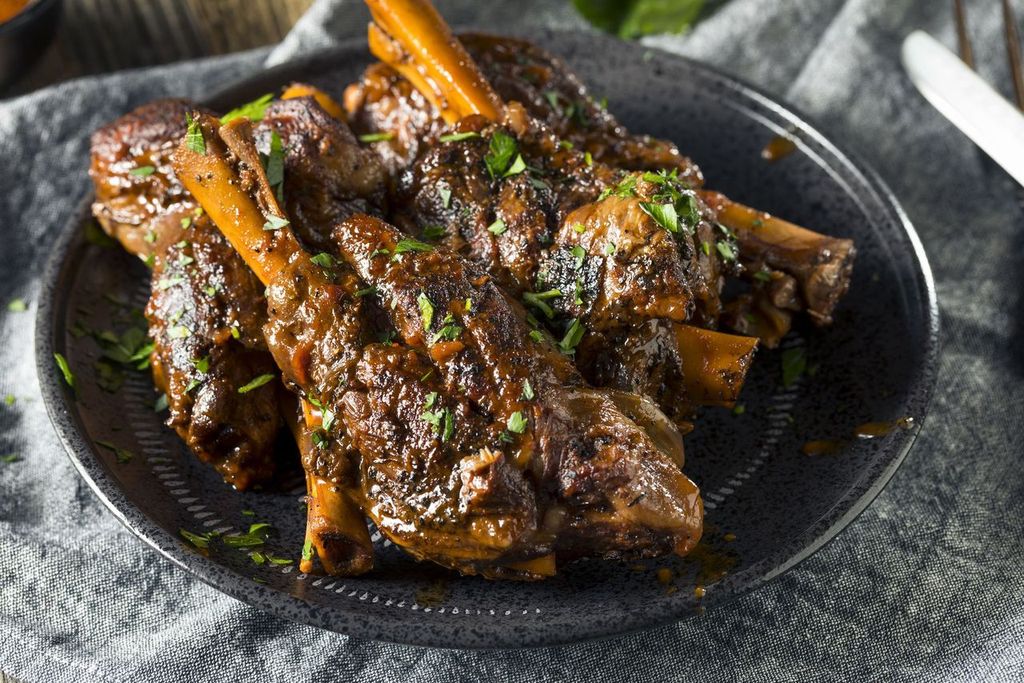
There is something deeply satisfying about cooking with lamb, a protein that feels celebratory yet adapts effortlessly to everyday meals. Across ranchlands and family tables alike, Superior Farms has long reflected how American lamb moves fluidly from quick skillet dinners to slow-roasted weekend centerpieces, proving that versatility is its greatest strength.
For many home cooks, lamb still carries a holiday reputation. It appears at Easter tables, festive gatherings, and special Sunday roasts. Yet modern kitchens are rediscovering that lamb is equally suited for weeknight efficiency, casual grilling sessions, and bold global flavor experiments. Understanding the cuts, cooking methods, and timing of lamb can transform its perception from occasional to practical.
Rethinking Lamb for the Modern Kitchen
The perception that lamb is complicated often stems from unfamiliarity rather than difficulty. In reality:
- Many cuts of meat cook as quickly as beef or pork.
- Ground lamb performs beautifully in burgers, meatballs, and skillet dishes.
- Chops can be pan-seared in under ten minutes.
- Leg of lamb can be roasted with minimal prep and reliable timing.
The American Lamb Board outlines cooking techniques and temperature guidance that simplify preparation. Knowing that medium-rare lamb reaches an internal temperature of about 145°F provides confidence. Cooking time charts and cut breakdowns help remove guesswork, making lamb approachable even for newer cooks.
What emerges is a protein that responds well to seasoning, tolerates high-heat searing, and maintains tenderness when roasted slowly. That flexibility is what allows lamb to move between quick weeknight meals and relaxed weekend entertaining.
Weeknight Wins: Quick-Cooking Cuts That Deliver Flavor
When time is limited, thinner cuts shine. Lamb loin chops, rib chops, and ground lamb require minimal prep and reward decisive heat.
A simple preparation might include:
- Patting the chops dry and seasoning them generously with salt, pepper, garlic, and rosemary.
- Sear in a hot cast-iron skillet for 3-4 minutes per side.
- Allow the chops to rest briefly before serving them with either roasted vegetables or a vibrant salad.
Ground lamb offers even more flexibility. It pairs naturally with Mediterranean herbs, North African spices, or classic American burger seasonings. A dish such as Mediterranean Lamb Meatballs (recipe from AmericanLamb.com) demonstrates how quickly ground lamb can be transformed into a satisfying dinner. The richness of the meat balances well with fresh herbs and yogurt-based sauces.
The key takeaway is that lamb does not require extended marinating or complex preparation. Balanced seasoning and proper temperature control unlock its character quickly.
Grilling Season: Casual Yet Elevated
Lamb’s natural flavor intensifies beautifully over open flame. The fat renders gently, creating crisp edges while keeping the interior juicy.
Popular grilling approaches include:
- Rib chops brushed with olive oil and fresh herbs.
- One popular method is to thread cubed leg of lamb onto skewers.
- The grilled butterflied leg is perfect for slicing and sharing.
Grilled Lamb Kabobs (recipe from AmericanLamb.com) offer a straightforward example of how lamb performs outdoors. The combination of char, spice, and tender texture turns a simple backyard gathering into something memorable without requiring complex technique.
Grilling also reinforces lamb’s versatility. It fits as easily beside summer corn and tomatoes as it does next to flatbreads and tzatziki. The flavor profile adapts to the surrounding ingredients rather than dominating them.
The Weekend Roast: A Centerpiece That Feels Effortless
While lamb proves its practicality during busy weekdays, it truly shines when given time and space. A roasted leg of lamb remains one of the most dramatic yet manageable centerpieces available to home cooks.
Preparation often involves:
- Scoring the fat cap lightly.
- Rubbing with garlic, rosemary, lemon zest, and olive oil.
- Roasting at moderate heat until the internal temperature reaches the desired doneness.
- Allowing adequate resting before slicing.
The American Lamb Board’s cooking time and temperature resources make this process predictable. Understanding that resting redistributes juices prevents overcooking and preserves tenderness.
A recipe such as Garlic Herb Roasted Leg of Lamb (recipe from AmericanLamb.com) illustrates how minimal ingredients can create depth of flavor. The result is both rustic and refined, equally at home at a holiday table or a relaxed Sunday dinner.
Understanding the Cuts: Choosing with Confidence
Confidence in cooking lamb grows when shoppers recognize common cuts and their ideal uses.
- Lamb Rib Chops are tender and quick-cooking, making them ideal for grilling or pan-searing.
- Lamb Loin Chops – Slightly meatier; excellent for skillet preparation.
- Leg of Lamb – Versatile; roast whole, butterfly for grilling, or cube for stews.
- Shoulder – Rich and suited for slow braising.
- Ground Lamb – Flexible for burgers, meatballs, and pasta sauces.
The American Lamb Board’s cut guides clarify where each portion originates and how to best prepare it. That transparency removes hesitation at the butcher counter and encourages experimentation.
Nutrition: Flavor Meets Substance
Lamb delivers more than taste. Nutritional information from the American Lamb Board highlights that lamb provides:
- High-quality protein.
- Lamb also provides essential vitamins like B12 and niacin.
- Lamb also contains essential minerals such as zinc and iron.
These nutrients support energy metabolism and immune health. When paired with vegetables, whole grains, and fresh herbs, lamb contributes to balanced meals rather than indulgent excess.
Portion awareness and proper cooking technique help maintain that balance. Trimming excess fat and cooking to recommended temperatures preserves both flavor and nutritional integrity.
Building Flavor Without Complexity
One reason lamb feels special is its ability to carry bold seasoning. Yet complexity is optional.
Simple flavor strategies include:
- Garlic, rosemary, thyme, and lemon for a classic profile.
- Cumin, coriander, and paprika for warmth.
- Add mint, parsley, and yogurt to add brightness.
- Adding chili flakes and smoked paprika adds depth to the dish.
Because lamb has a distinct but balanced taste, it responds well to both minimal and layered seasoning approaches. The meat’s natural character remains present while harmonizing with added ingredients.
From Everyday to Occasion
The enduring appeal of lamb lies in its dual identity. It is practical enough for Tuesday night and impressive enough for Saturday dinner guests. Few proteins transition so easily between these roles.
When weeknight meals demand speed, lamb chops or ground preparations provide efficiency without sacrificing satisfaction. When gatherings call for spectacle, a roasted leg or grilled platter delivers visual and culinary impact.
This range reflects a broader shift in how American kitchens approach cooking. Ingredients once reserved for special occasions now appear more frequently as cooks gain access to better information, clearer cooking guidance, and reliable sourcing.
Bringing It All Together
Lamb no longer belongs solely to tradition-bound holidays. With accessible resources detailing cuts, cooking techniques, and nutritional benefits, it fits naturally into contemporary routines.
Its adaptability can be summarized simply:
- Its speed is suitable for hectic evenings.
- Its boldness makes it suitable for grilling season.
- Lamb is also elegant enough to grace celebratory tables.
- Lamb is sufficiently nutritious to ensure a balanced meal plan.
Whether seared in a skillet, grilled over flame, or roasted slowly in the oven, lamb continues to demonstrate that versatility is not just about variety of cuts but about the flexibility of experience. From weeknight to weekend feast, it remains one of the most rewarding proteins in the modern kitchen.
