
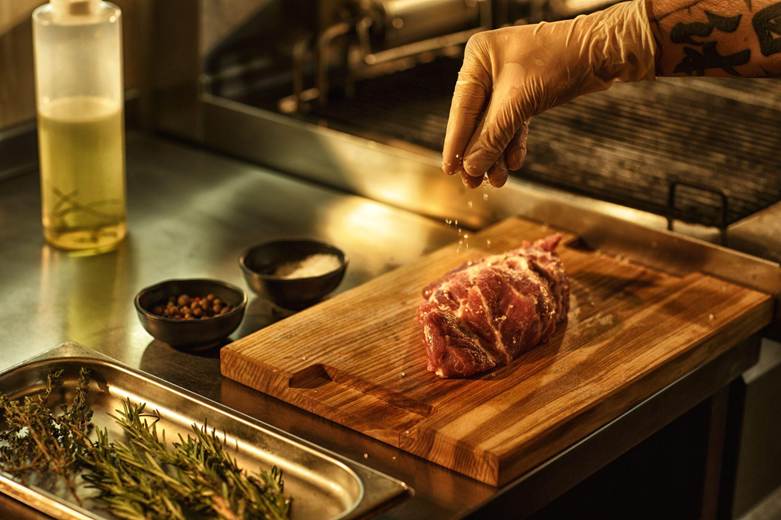
Cooking lamb becomes much easier when the cut and cooking method work together. For anyone exploring lamb from Superior Farms, understanding that relationship opens up a much broader range of possibilities in the kitchen. A tender loin chop calls for a different approach than a lamb shank, just as a quick weeknight meal has different needs from a centerpiece designed for a gathering.
Rather than treating lamb as one type of dish, it can be helpful to think of each cut as an opportunity to use a different technique.
Why Does the Lamb Cut Matter?
Different cuts come from different areas of the animal, which affects tenderness, texture, fat content, and the cooking method that brings out their best qualities.
Some cuts are naturally tender and can be cooked relatively quickly. Others contain more connective tissue and benefit from longer cooking, allowing time for those tissues to soften.
The American Lamb Board recommends matching cuts to techniques such as grilling, roasting, braising, pan-searing, and grinding. That simple framework can make choosing a recipe considerably easier.
For example:
- Loin and rib chops: Well suited to grilling, broiling or pan-searing.
- Rack of lamb: Works particularly well for roasting or grilling and can make an elegant centerpiece.
- Leg of lamb: A versatile larger cut that can be roasted or grilled, depending on the preparation.
- Shoulder: Benefits from slower cooking methods that allow connective tissue to break down.
- Shanks: Particularly well suited to braising.
- Ground lamb: Can be grilled, sautéed or incorporated into burgers, meatballs, tacos and other dishes.
Knowing the characteristics of the cut takes some of the guesswork out of the kitchen.
Which Lamb Cuts Work Best for Quick Dinners?
When time is limited, naturally tender cuts can make lamb surprisingly practical.
Lamb loin chops, for instance, can be prepared with relatively little advance work. A simple combination of herbs, garlic, lemon or spices can provide plenty of flavor without requiring an elaborate sauce.
Ground lamb offers another easy entry point. It can take the place of other ground meats in familiar dishes while allowing cooks to experiment with different seasonings and cuisines.
A recipe such as American Lamb Smash Tacos offers a casual example of this versatility. (Recipe from AmericanLamb.com, courtesy of American Lamb Board.)
The appeal of a dish like this is not only its flavor. It demonstrates how lamb can fit into formats that already feel familiar rather than requiring an entirely new approach to cooking.
When Is Slow Cooking the Better Choice?
Some of the most satisfying lamb dishes are built around patience.
Shoulder and shank contain connective tissue that responds well to slower, moist cooking. Braising allows the meat to cook gently in liquid over an extended period, producing a tender result with concentrated flavor.
This approach is especially useful for weekend meals, when a cook has more time to let the dish develop.
Red Wine Braised American Lamb Shanks is one example from the American Lamb Board’s recipe collection. (Recipe from AmericanLamb.com, courtesy of American Lamb Board.)
The broader lesson is useful beyond any single recipe: a cut that may not be ideal for quick cooking can become exceptionally rewarding when given the right amount of time.
How Can Lamb Be Prepared for a Special Meal?
For a more formal dinner, larger cuts can provide both visual appeal and versatility at the table.
A rack of lamb can be roasted and presented whole before being divided into individual portions. A leg of lamb can serve as the centerpiece for a larger gathering and can be paired with vegetables, grains, potatoes or salads.
The American Lamb Board’s recipe collection includes preparations such as Honey Hazelnut Rack of Lamb with Dijon Greens and Slow Roasted Brown Butter & Mustard Leg of Lamb, demonstrating how the same protein can support very different flavor profiles. (Recipes from AmericanLamb.com, courtesy of American Lamb Board.)
The choice does not have to be elaborate. A well-seasoned roast accompanied by fresh vegetables and a bright sauce can be just as compelling as a more complex preparation.
What Flavors Pair Well With Lamb?
Lamb’s versatility extends beyond cooking technique. Its savory character works with a wide range of herbs, spices, sauces and fresh ingredients.
Traditional combinations such as rosemary, garlic and mint remain popular, while ingredients such as lemon, tahini, pomegranate, cumin, coriander, yogurt and fresh herbs can take lamb in different culinary directions.
That flexibility makes lamb especially interesting for cooks who enjoy adapting recipes.
A Mediterranean-inspired meal might pair grilled lamb with lemon, oregano, cucumber and feta. A more heavily spiced preparation could incorporate cumin, coriander, or harissa. A slow-cooked dish might lean toward rich herbs, wine or warming spices.
There is no single flavor profile that defines how lamb must be prepared.
What Helps Lamb Turn Out Well?
A few basic cooking habits can make a meaningful difference.
- Use a meat thermometer: Internal temperature is more reliable than appearance alone when determining doneness.
- Match the technique to the cut: Tender cuts generally work well with higher-heat, shorter cooking methods, while tougher cuts benefit from more time.
- Allow the meat to rest: Resting after cooking helps preserve moisture.
- Cut against the grain where appropriate: This can produce a more pleasant texture when serving sliced cuts.
- Pay attention to thickness: Cooking time depends not only on the type of cut but also on its size and thickness.
The American Lamb Board provides detailed cooking-time and temperature guidance by cut, making it a useful reference when trying a new preparation.
Making Every Cut Count
Cooking lamb well is less about mastering one signature recipe and more about understanding what each cut can offer.
A quick-cooking chop can become an uncomplicated weeknight dinner. Ground lamb can transform familiar meals. A shoulder can become the foundation of a slow weekend feast, while a rack or leg can take center stage when there is something worth celebrating.
Once cooks understand the relationship between cut, technique and flavor, lamb becomes less intimidating and considerably more versatile.
