
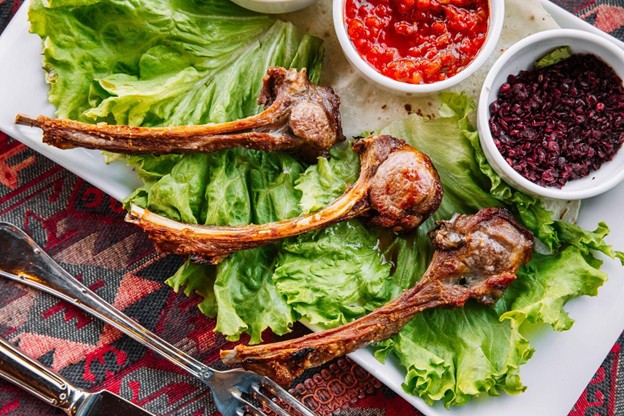
Cooking with lamb from Superior Farms becomes far more approachable when a few core techniques are understood, allowing rich flavor and texture to come through without unnecessary complexity.
For many home cooks, lamb can feel unfamiliar compared to more commonly used proteins. But in reality, it responds well to simple, consistent methods. With the right approach, lamb can deliver restaurant-quality results in a home kitchen without requiring advanced skills or specialized tools.
The key lies in understanding how to handle heat, timing, and seasoning.
Start with the Right Cooking Method
Different cuts of lamb respond best to specific cooking techniques. Choosing the right method simplifies the entire process.
Common approaches include:
- Grilling: Ideal for chops and smaller cuts, adding a smoky, charred flavor
- Pan-searing: Quick and effective for achieving a crisp exterior
- Roasting: Best for larger cuts like leg of lamb
- Braising: Perfect for tougher cuts that benefit from slow cooking
Each method highlights a different aspect of lamb’s flavor and texture.
Understanding this connection makes cooking more predictable and consistent.
Temperature and Timing Matter
One of the most important elements of cooking lamb is controlling temperature.
Lamb is best when cooked to the right level of doneness:
- Medium-rare to medium often provides the best balance of tenderness and flavor
- Overcooking can lead to a firmer texture and reduced juiciness
- Resting the meat after cooking helps retain moisture
For detailed guidance, resources like the Lamb Cooking Time & Temperature Guide (recipe from americanlamb.com) provide reliable benchmarks for achieving consistent results.
Precision does not require perfection; it requires awareness.
Building Flavor with Simple Ingredients
Lamb has a naturally rich flavor, which means it pairs well with simple, complementary ingredients.
Effective flavor combinations include:
- Garlic and rosemary for a classic profile
- Lemon and olive oil for brightness
- Cumin and coriander for a deeper, spiced approach
- Fresh herbs to balance richness
These ingredients enhance rather than mask the natural taste.
Keeping seasoning straightforward often leads to better results.
Mastering the Sear
A proper sear creates texture and locks in flavor.
To achieve a good sear:
- Start with a hot pan or grill
- Avoid overcrowding the cooking surface
- Let the meat cook undisturbed for a few minutes
- Turn only when a crust has formed
This technique adds depth and contrast to the final dish.
It’s one of the simplest ways to elevate a meal.
Letting the Meat Rest
Resting is often overlooked, but it plays a critical role in the final result.
After cooking:
- Allow lamb to rest for several minutes
- This helps redistribute juices throughout the meat
- Cutting too early can lead to dryness
This small step significantly improves texture and flavor.
Avoiding Common Mistakes
Cooking lamb becomes easier when common pitfalls are avoided.
These include:
- Overcooking due to uncertainty about doneness
- Using too much seasoning that overpowers the meat
- Skipping the resting step
- Choosing the wrong cut for the cooking method
Awareness of these mistakes leads to more consistent outcomes.
Simple Recipes That Build Confidence
Starting with straightforward recipes can help build familiarity and confidence.
Examples include:
- Garlic and Herb Lamb Chops (recipe from americanlamb.com) for quick, flavorful meals
- Slow-Roasted Leg of Lamb (recipe from americanlamb.com) for a more traditional approach
These recipes focus on technique rather than complexity, making them accessible for a wide range of skill levels.
They also highlight how small adjustments can change the final result.
Understanding Cuts for Better Results
Each cut of lamb offers a different cooking experience.
Knowing how to use them makes meal planning easier:
- Chops: Quick cooking, ideal for grilling or searing
- Ground lamb: Flexible and fast for everyday meals
- Leg: Best for roasting and serving larger groups
- Shoulder: Suited for slow cooking and braising
Matching the cut to the cooking method ensures better texture and flavor.
Bringing Confidence Into the Kitchen
Confidence in cooking does not come from complexity; it comes from repetition and understanding.
With lamb, this means:
- Practicing simple techniques consistently
- Learning how different cuts respond to heat
- Adjusting seasoning and timing based on results
- Building familiarity over time
The process becomes more intuitive with experience.
A Practical Approach to Cooking Lamb
Lamb does not require complicated preparation to deliver strong results.
A practical approach includes:
- Choosing the right cut
- Using the appropriate cooking method
- Controlling temperature and timing
- Keeping seasoning balanced
These fundamentals create a reliable foundation.
Making Lamb More Accessible
Understanding the basics makes lamb an accessible and versatile option for home cooking.
It offers:
- Rich, distinctive flavor
- Flexibility across different cooking styles
- Compatibility with a wide range of ingredients
- The ability to elevate both simple and complex meals
What initially feels unfamiliar quickly becomes manageable.
Turning Technique Into Habit
The goal is not just to cook lamb once, it is to make it part of a regular cooking routine.
By focusing on simple techniques and consistent execution, home cooks can:
- Build confidence over time
- Expand their range of meals
- Create dishes that feel both satisfying and refined
Cooking lamb becomes less about following instructions and more about understanding the process.
And once that shift happens, bold flavor becomes easy to achieve every time.
